
PwC Tax & Compliance AI Hosts
AI Avatars Driving Real-Time Tax Intelligence
Large professional conferences rarely leave room for real training. When audiences are big, agendas are tight, and content is dense, even complex topics tend to be reduced to slide summaries. At PwC’s Tax Leadership Conference 2025, the company chose to break that pattern. Instead of relying on passive presentations, participants were guided through structured compliance scenarios and invited to work through them in real-time.
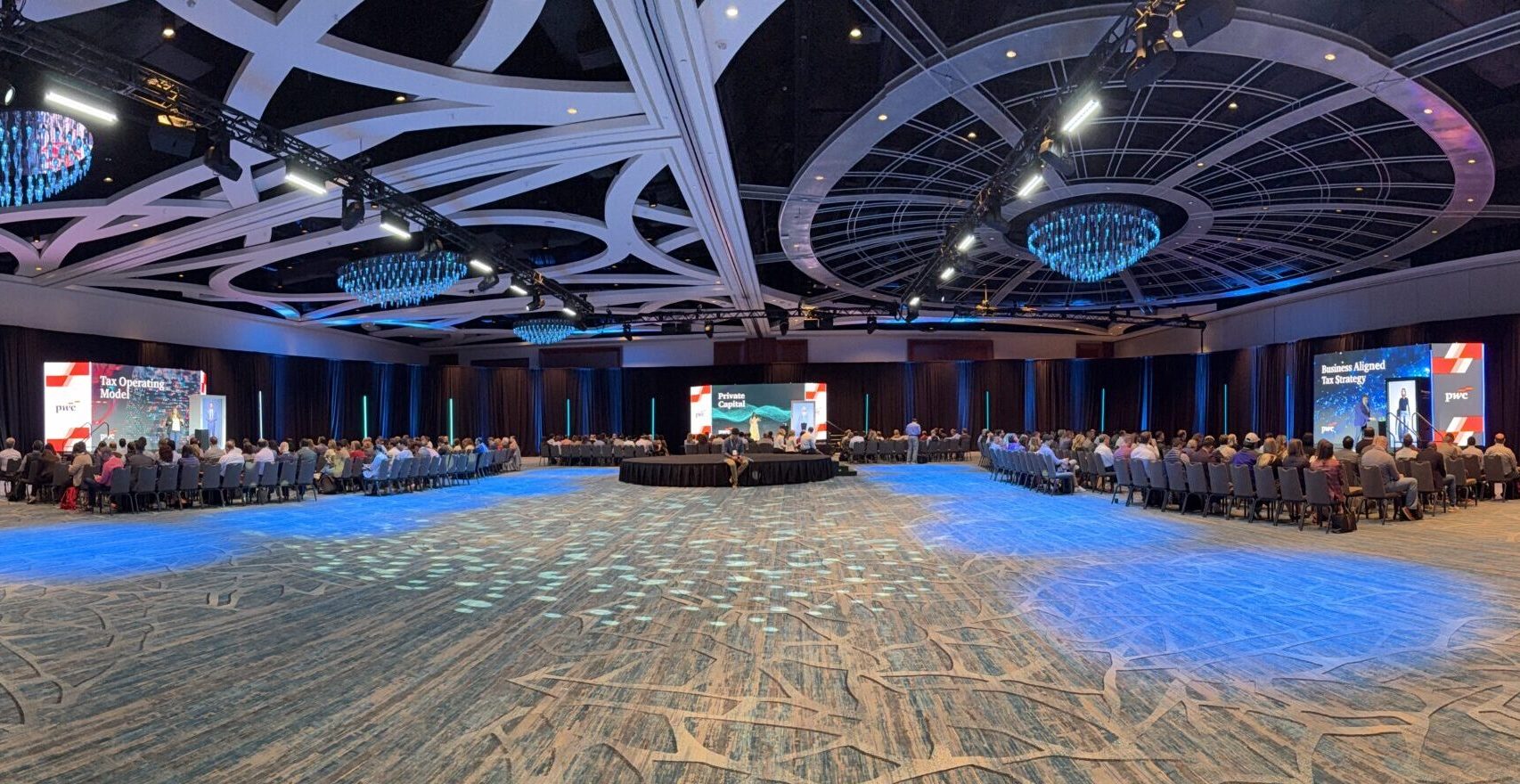
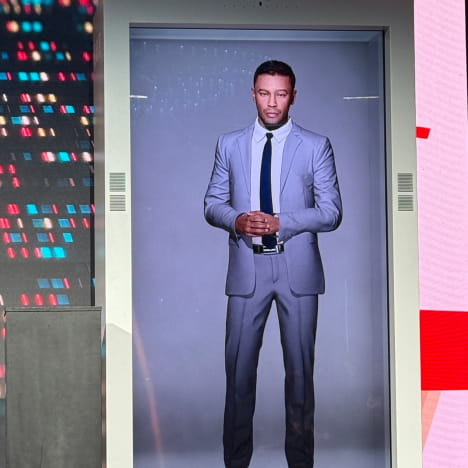
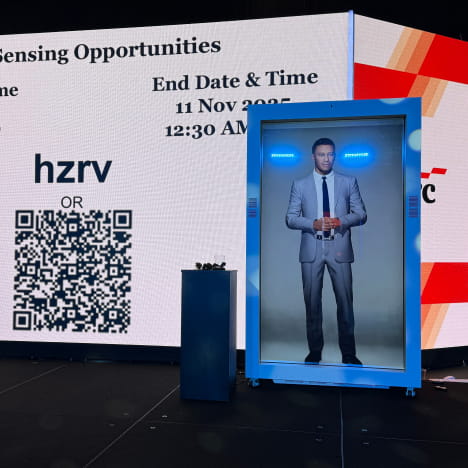
To support this format, PwC introduced three AI avatars developed by RAVATAR, each aligned with a core area of modern tax practice. The avatars served as live knowledge carriers, responding to questions, explaining key points, and supporting presenters during fast-paced training rotations. The result was a conference experience that remained hands-on and substantive, even at scale.
Live Scenario Training at
PwC Tax Leadership Conference 2025
PwC is one of the world’s largest professional services networks, advising governments, financial institutions, and global enterprises on complex tax and regulatory matters. Its annual Tax Leadership Conference is designed as a working forum for senior tax professionals rather than a showcase event. Each year, it brings together regional consultants and PwC partners to look closely at how regulatory pressure, structural complexity, and shifting capital models are reshaping the tax function.
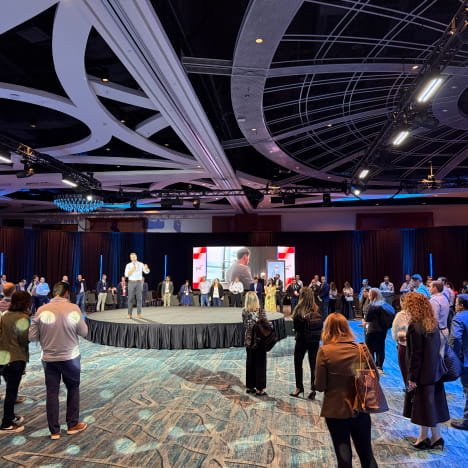
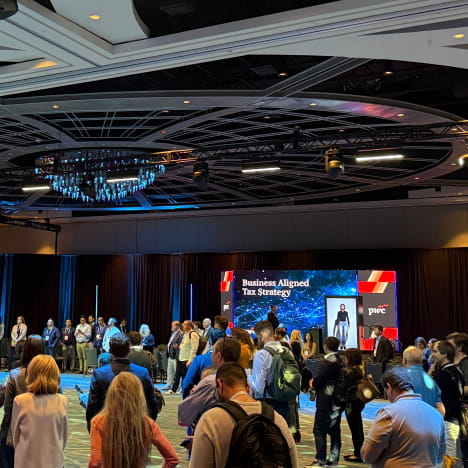
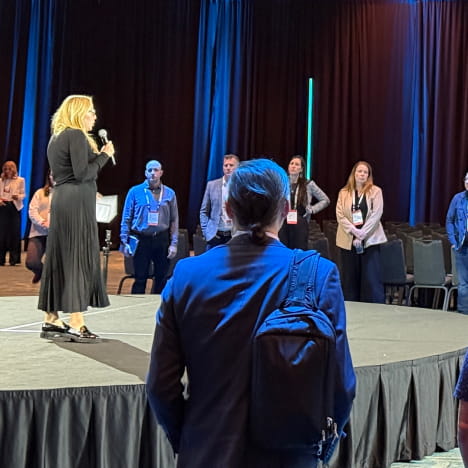
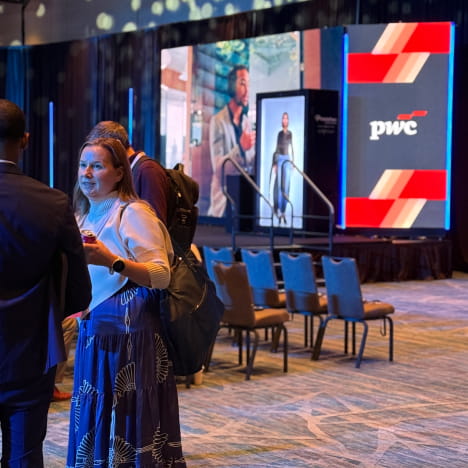
The 2025 conference edition focused on applied reasoning, with a clear emphasis on how tax theory plays out in real advisory and compliance work. That intent shaped the event format. Instead of long keynote sessions, the agenda was built around short, tightly timed knowledge exchanges. Roughly 2,500 participants were split into rotating groups of about 300 people and moved through a series of targeted training sessions, each lasting fifteen minutes. The discussions were grounded in realistic advisory situations, keeping attention on practical judgment rather than abstract theory.
Beyond training, the conference pursued a second objective. PwC aimed to demonstrate how AI can play a visible and meaningful role in the tax domain, not as background automation, but as an interactive, front-facing layer that supports professional reasoning in real-time.
Interactive AI Avatars as
Responsive Tax Knowledge Interfaces
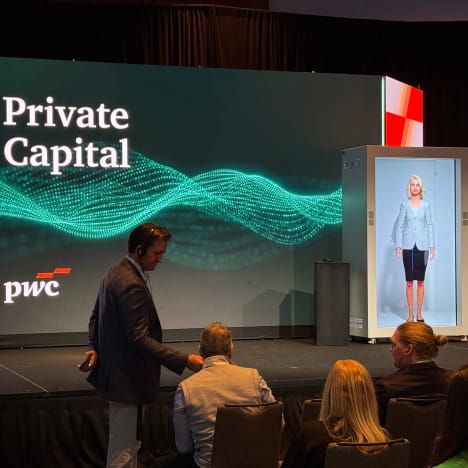
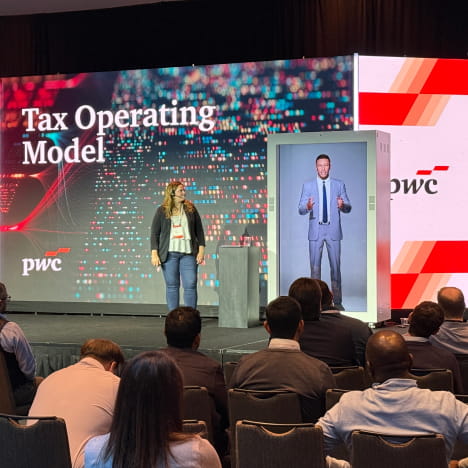
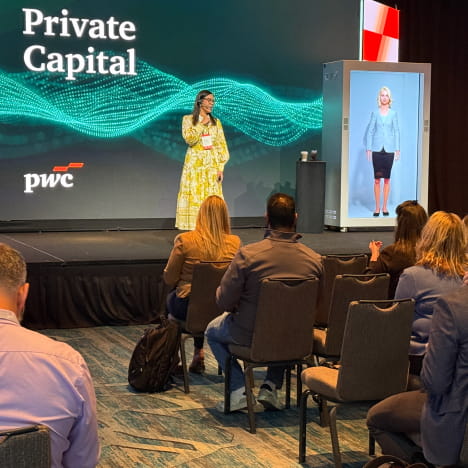
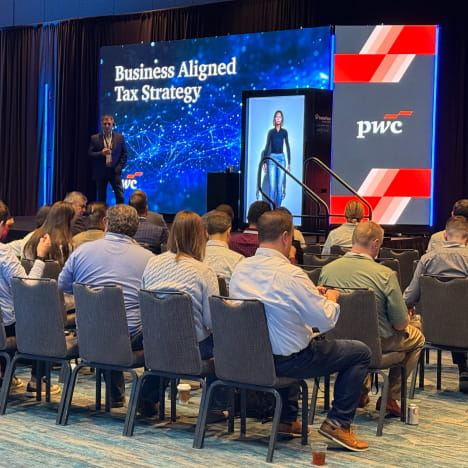
PwC’s conference program featured three AI avatars developed by RAVATAR, each representing a specific area of tax expertise covered in the event agenda: Private Capital, Tax Strategy, and the Tax Operating Model. The avatars were woven directly into the live program as onstage knowledge interfaces, speaking from PwC’s own internal playbook.
During each working block, a human training leader set the direction of the discussion and highlighted the key issues. At specific moments, the avatar stepped in to unpack complex concepts or walk through regulatory and structural implications tied to the scenario. This kept the content precise while maintaining a steady and well-paced flow.
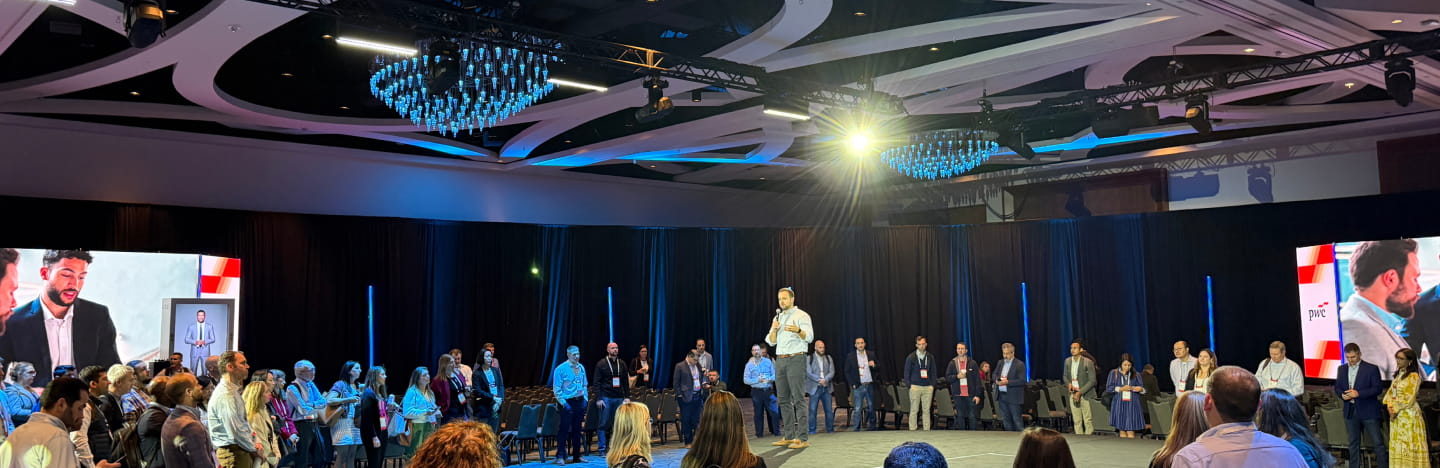
Every rotation wrapped up with a live Q&A, where the AI avatars took questions directly from the room and responded to attendees in real-time as domain experts at scale. Across multiple sessions and parallel groups, these AI conference hosts ensured all participants received the same depth of explanation, while adapting the wording and focus to the way each question was framed.
In practice, this large-scale activation demonstrated how AI can be used in the tax field as a hands-on interface for expertise: present, responsive, and fully integrated into professional training workflows, without replacing human leadership or simplifying the subject matter.